Packs About Newsletter
Pack 1 · The Cell

The Animal Cell

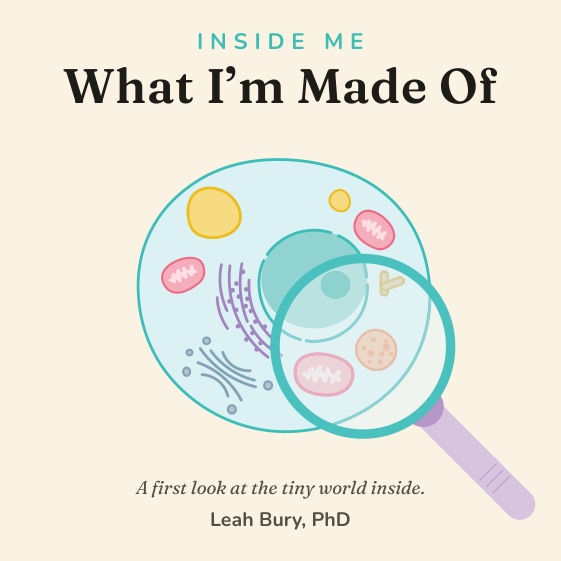
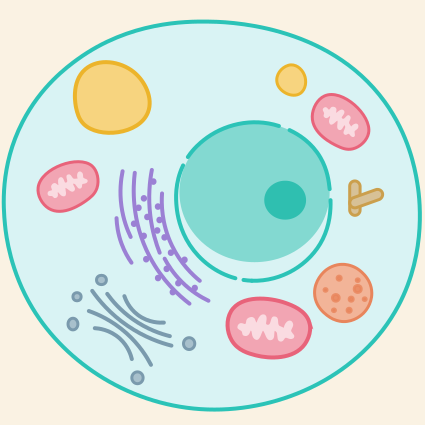
The whole animal cell plus seven organelles. The structures inside every living cell, drawn from the same references I used at the bench.

Free

All Lupe packs are free. Science should be for everyone.

What's inside

High-contrast cards

8 black-and-white cards for newborns (0–6 months).

Preview Download
Matching game

8 pairs of colour cards for toddlers (1–3 years).

Preview Download
Colouring sheet

8 full-page illustrations to colour in.

Preview Download
What's My Job?

Match each organelle to its function. Coming soon.

Free for personal use and classroom or childcare use. Please don't resell or redistribute commercially. If you're a teacher or childminder, you're warmly welcome to print and use these with your kids.

Print specs

  • A4 portrait PDF, print at 100% scale
  • Works on any home printer · copy shops for card stock
  • Crop marks included for easy cutting
The organelles

Eight parts of the cell, drawn from life.

The cell is the smallest building block of life. Your body has trillions of them, and each one contains smaller parts doing different jobs. These parts are called organelles.

Animal Cell

Every living thing is made of cells. This is what one looks like inside.

Nucleus

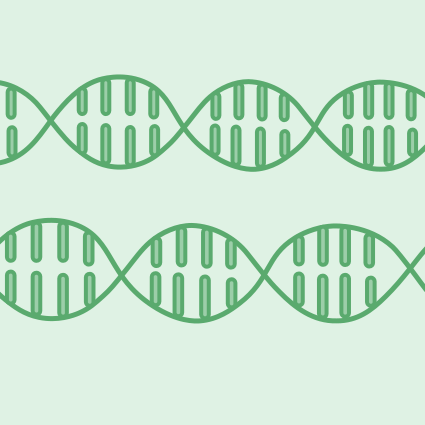
The nucleus stores your DNA. DNA is the set of instructions that tells each cell what to do.

Endoplasmic Reticulum

The endoplasmic reticulum folds and shapes the proteins your cells need to work.

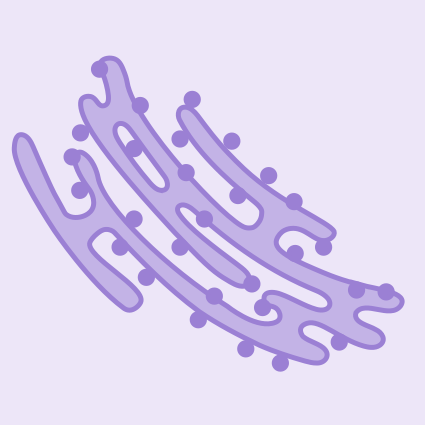
Golgi Apparatus

The Golgi packages proteins and sends them where they need to go.

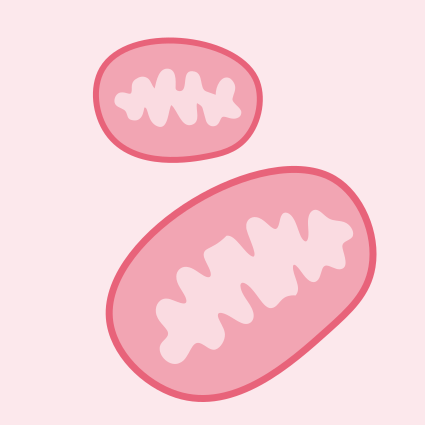
Mitochondria

Mitochondria turn food into energy. Every cell needs energy to live.

Centrioles

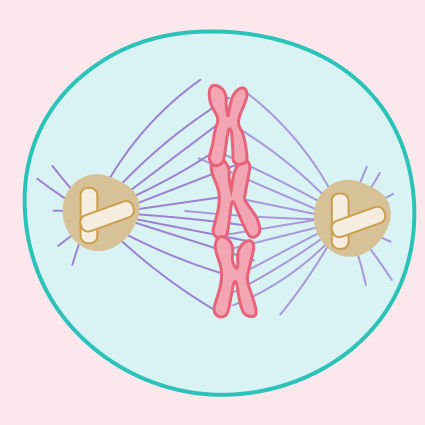
When a cell is ready to divide, the centrioles help pull it apart into two new cells.

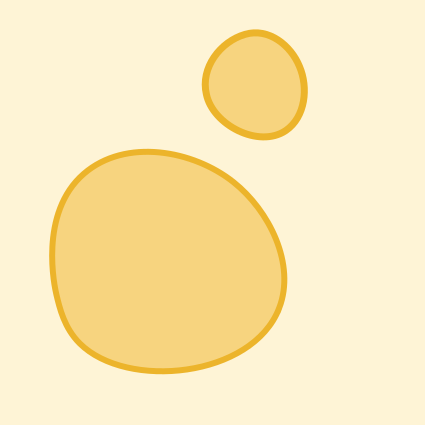
Vesicles

Vesicles are small bubbles that carry things from one part of the cell to another.

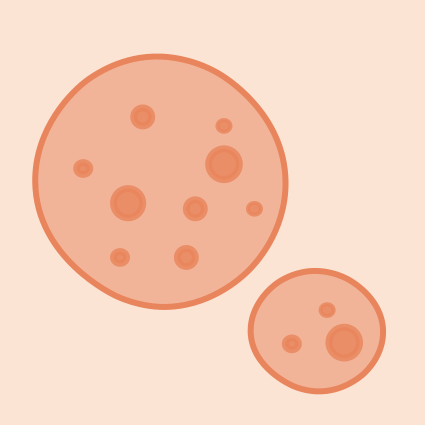
Lysosome

The lysosome breaks down old or damaged parts so the cell can reuse them.

How to use

A few ideas to get started.

High-contrast cards

Prop a card up during tummy time, about 20–30 cm from your baby's face. Hold the card steady and let your baby focus on the bold shapes. Try placing one at eye level wherever your baby spends time, and rotate cards every few days to keep things fresh.

Matching game

Start with just 3 or 4 pairs, face up. Ask your child to find the two that look the same. As they get the hang of it, add more pairs. Older toddlers can try turning them face down for a memory game.