Your body is made of trillions of cells, but they're not all the same. Here are eight of the most distinctive.
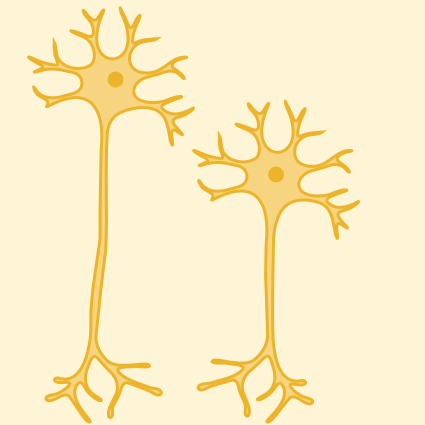
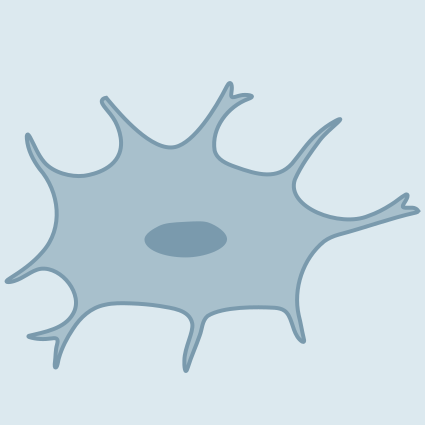
Neurons carry electrical signals between your brain and your body. They have long branches that reach out and connect to other neurons.
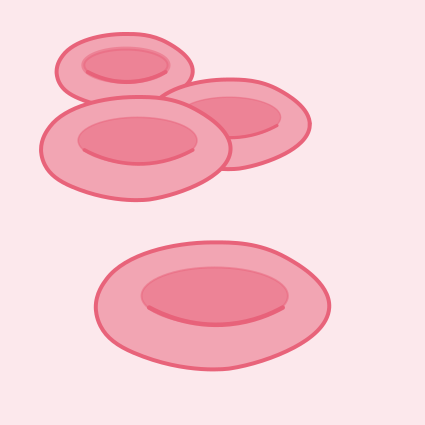
Red blood cells pick up oxygen in your lungs and deliver it to every part of your body. They are shaped like tiny discs with a dip in the middle.
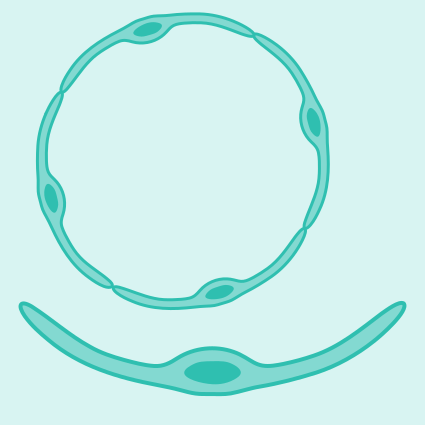
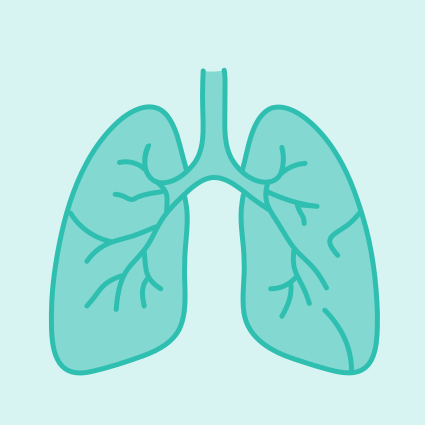
Deep inside your lungs are tiny air sacs called alveoli, shaped like balloons. Lung cells line these sacs, where the oxygen you breathe in passes into your blood.
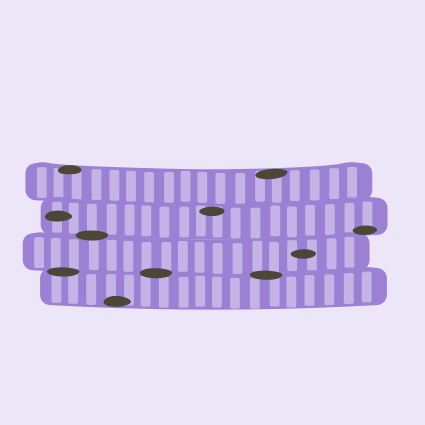
Muscle cells are long fibres that can expand and contract. They are what make us strong. They let us walk, jump, and lift heavy things.
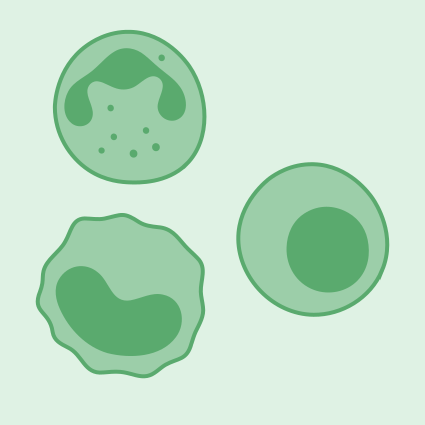
White blood cells protect your body. They travel through your blood looking for bacteria and other things that don't belong, and fight them.
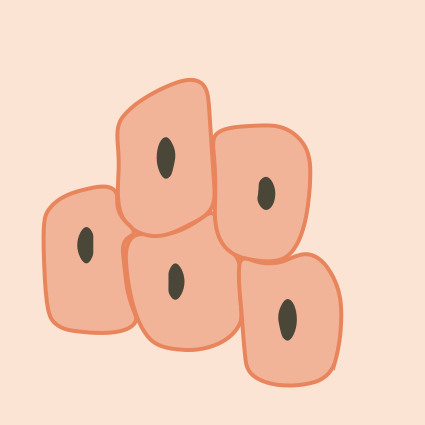
Skin cells are flat and tightly packed in layers. New ones form at the bottom and move up to the surface, replacing old ones that fall away.
Some bone cells build new bone, others break old bone down. Together they keep your bones strong and growing.
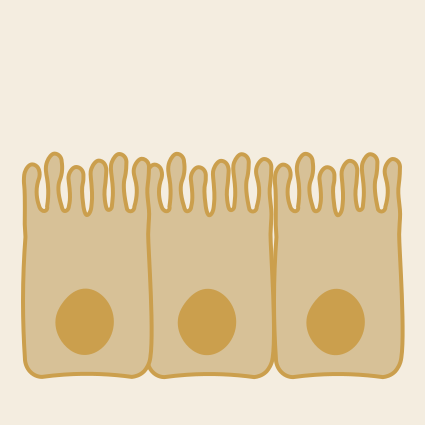
Gut cells line your intestine. They are covered in tiny finger-like projections called villi that absorb nutrients from the food you eat.
Prop a card up during tummy time, about 20–30 cm from your baby's face. Hold the card steady and let your baby focus on the bold shapes. Try placing one at eye level wherever your baby spends time, and rotate cards every few days to keep things fresh.
Start with just 3 or 4 pairs, face up. Ask your child to find the two that look the same. As they get the hang of it, add more pairs. Older toddlers can try turning them face down for a memory game.