Packs Activities Blog About Newsletter
Pack 4 · Human Body

Organs

Eight organs that keep the human body running. Each one a different shape, a different job, and a reason to look inside.

Free
Start here
Parent's cheat sheet

A 1-page guide to the eight organs in this pack, so you can talk about what each one does.

For the curious
Looking closer.
What's inside

0–6 months
High-contrast cards

8 black-and-white cards for the earliest months.

1–3 years
Matching game

8 pairs of color cards.

1–3 years
Coloring sheets

8 full-page illustrations to color in.

Print specs
  • Prints from any home printer at A4 portrait, 100% scale
  • Card stock or lamination makes them last
License

Free for personal use and classroom or childcare use. Please don't resell or redistribute commercially. If you're a teacher or childcare provider, you're warmly welcome to print and use these with your kids.

The organs

Eight organs, one body.

Your body is made of organs working together. Here are eight of the most important ones and what they do.

Brain

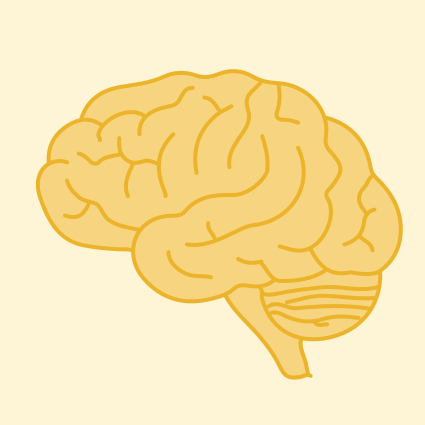
The brain is the control center of your body. It lets you think, feel, move, and remember. Everything you do starts here.

Heart

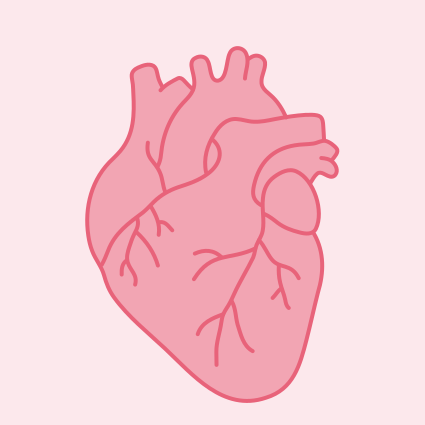
The heart is a muscle that pumps blood around your body, all day and all night. It sends oxygen and nutrients to every cell.

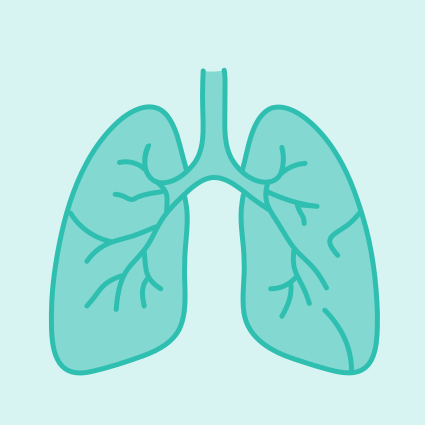
Lungs

Your lungs bring in fresh air when you breathe in, and push out used air when you breathe out. They give your blood the oxygen it needs.

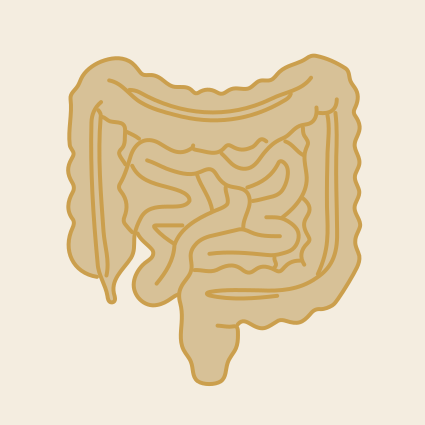
Intestine

The intestine is a long, winding tube where food is broken down and nutrients are absorbed into your body. It starts at your stomach and keeps going.

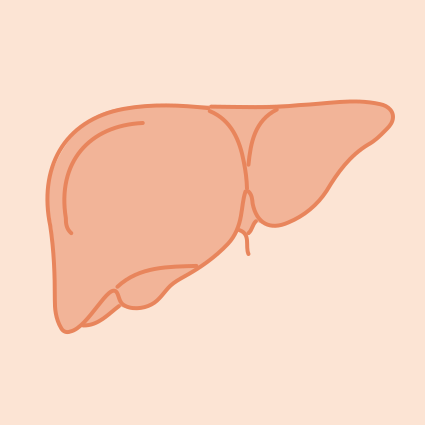
Liver

The liver cleans your blood, stores energy, and helps your body digest food. It does hundreds of jobs to keep everything balanced.

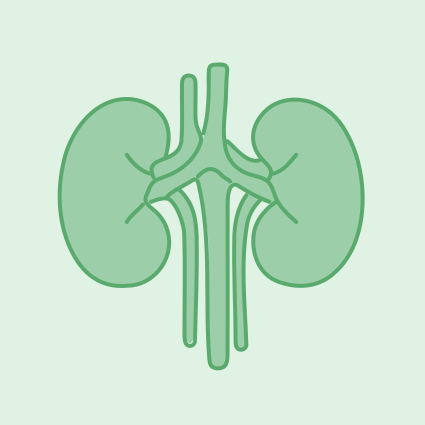
Kidneys

You have two kidneys, and they filter your blood to remove waste. They also help control how much water stays in your body.

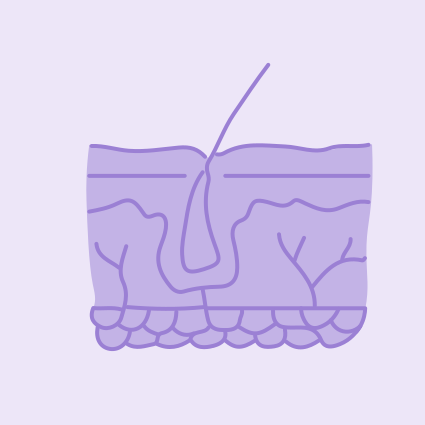
Skin

Skin is your body's biggest organ. It protects everything inside, keeps you warm, and lets you feel the world through touch.

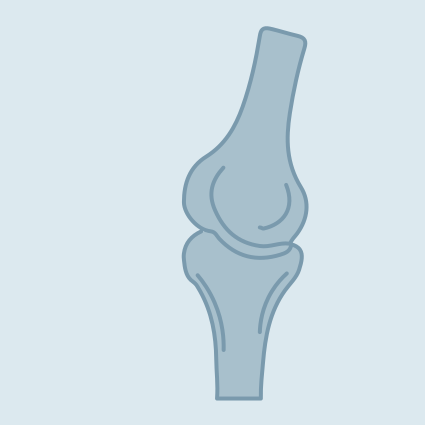
Bone

Bones give your body its shape and protect the soft organs inside. They also make new blood cells deep in the marrow.

How to use

A few ideas to get started.

High-contrast cards

Prop a card up during tummy time, about 20–30 cm from your baby's face. Hold the card steady and let your baby focus on the bold shapes. Try placing one at eye level wherever your baby spends time, and rotate cards every few days to keep things fresh.

Matching game

Start with just 3 or 4 pairs, face up. Ask your child to find the two that look the same. As they get the hang of it, add more pairs. Older toddlers can try turning them face down for a memory game.